Why Hydrangeas Are One of the Best Shrubs for Gloucestershire Gardens
- Marcus Bergin

- Jun 5
- 4 min read

Every summer there comes a point when certain plants begin to dominate the garden.
The roses have had their moment.
The peonies have delivered their spectacular but all-too-brief display.
Then, almost quietly at first, the hydrangeas begin to take centre stage.
By mid-summer they are impossible to ignore. Huge flower heads appear above lush green foliage, filling borders with colour and structure just as some of the earlier summer performers begin to fade.
It's no surprise that hydrangeas remain among the most popular garden shrubs in Britain.
They are reliable, long-lived and capable of producing an impressive display year after year with surprisingly little fuss.
Why Hydrangeas Have Remained Popular for Generations
Some garden trends come and go.
Hydrangeas have endured.
Part of their appeal lies in their ability to provide impact where many other shrubs struggle. A single mature hydrangea can create a substantial feature in a border, producing flowers over many weeks and often retaining interest well into autumn.
They also suit a wide range of gardens.
From traditional cottage gardens in Bishops Cleeve to modern developments around Cheltenham, hydrangeas seem equally at home.
Their versatility is one of their greatest strengths.
Understanding the Different Types of Hydrangea
One reason gardeners sometimes become confused about pruning and care is that not all hydrangeas behave in the same way.
Hydrangea macrophylla

Often known as mophead or lacecap hydrangeas, these are the varieties most people recognise.
Their large rounded flower heads can be blue, pink, purple or white depending on the variety and soil conditions.
Many flower on old wood, which is why incorrect pruning can remove the following year's flowers.
Hydrangea paniculata
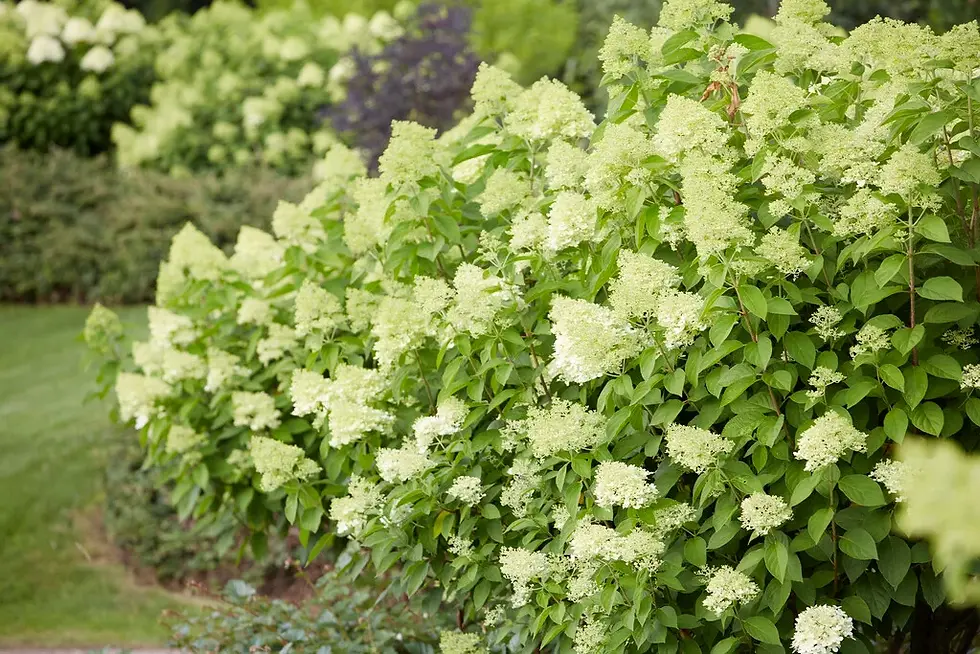
These produce cone-shaped flower heads rather than rounded ones.
Varieties such as Limelight and Vanille Fraise have become increasingly popular in recent years.
They are generally easier to prune and tolerate more sunshine than many mophead varieties.
Hydrangea arborescens
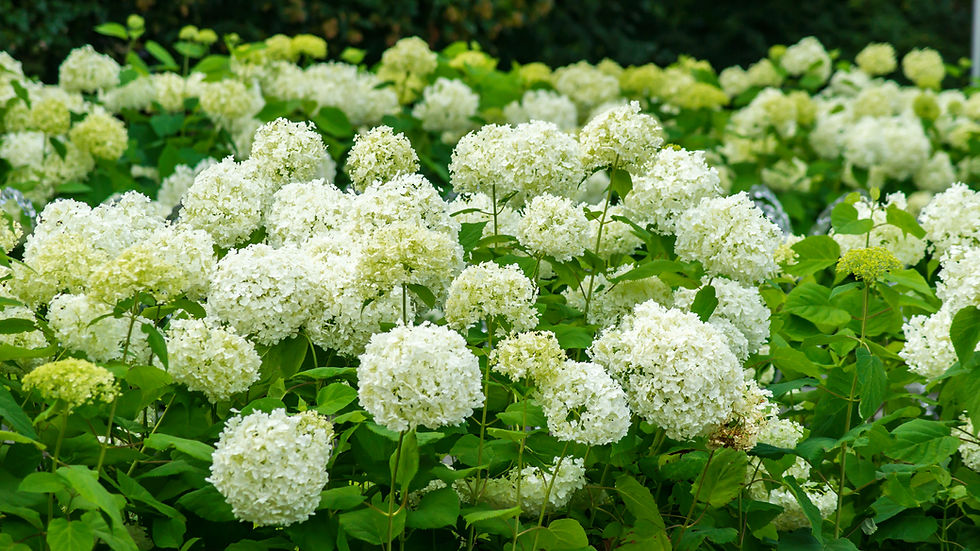
Known for varieties such as Annabelle, these produce enormous white flower heads that can be spectacular in summer borders.
They respond well to harder pruning and often produce impressive displays even after severe winters.
Hydrangea quercifolia

The oak-leaved hydrangea is often overlooked but deserves much wider use.
Its attractive foliage provides interest throughout the year, while its autumn colour can be exceptional.
Why Some Hydrangeas Are Blue and Others Are Pink
This is one of the most frequently asked questions about hydrangeas.
The answer lies largely within the soil.
In acidic soils, many hydrangea macrophylla varieties produce blue flowers.
In alkaline soils, those same plants often flower pink.
Many Gloucestershire gardens sit on alkaline soils, particularly where limestone influences the ground conditions, meaning pink shades are often more common.
White hydrangeas generally remain white regardless of soil conditions.
While specialist products can influence flower colour, most gardeners eventually learn to appreciate whichever colours their soil naturally encourages.
The Best Position for Hydrangeas
Hydrangeas are often associated with shade, but the reality is a little more nuanced.
Most varieties perform best in:
Morning sun
Dappled shade
Moist but well-drained soil
Shelter from harsh afternoon sun
In recent years, increasingly hot summers have shown the value of giving hydrangeas some protection during the hottest part of the day.
A position that receives gentle morning sunshine followed by afternoon shade is often ideal.
Watering During Dry Weather
One lesson many gardeners have learned this year is just how quickly hydrangeas tell you when they are thirsty.
Large leaves lose moisture rapidly during hot weather and plants may wilt dramatically.
Fortunately, they often recover quickly once watered.
Established hydrangeas are reasonably resilient, but prolonged dry conditions can affect flowering quality and overall performance.
A thorough soak during extended dry spells is usually far more effective than frequent light watering.
The Most Common Hydrangea Pruning Mistake
Perhaps the biggest mistake gardeners make is pruning at the wrong time.
Many mophead and lacecap hydrangeas produce their flower buds during the previous growing season.
Heavy pruning in winter or early spring can remove these developing buds and result in few or no flowers.
In most cases, pruning should be limited to:
Removing dead flower heads
Cutting out damaged stems
Removing weak growth
Understanding which type of hydrangea you have is the key to successful pruning.
Hydrangeas and Wildlife
Although not usually thought of as wildlife plants, hydrangeas can still contribute to a healthy garden.
Lacecap varieties are particularly attractive to pollinating insects because their fertile flowers are easily accessible.
The dense structure of mature shrubs can also provide valuable shelter for wildlife.
When combined with other shrubs and perennials, hydrangeas help create the layered planting that many birds and beneficial insects prefer.
Why I Think Hydrangeas Deserve Their Place
After working in gardens across Cheltenham and the surrounding villages for more than two decades, I have come to appreciate plants that consistently earn their place.
Hydrangeas certainly do.
They provide structure, reliability and colour at a time of year when many borders begin to lose momentum.
They bridge the gap between early summer and autumn beautifully.
Perhaps that is why so many old gardens contain hydrangeas that have quietly thrived for decades.
Long after fashions have changed and planting schemes have evolved, the hydrangeas remain.
And every summer, they remind us exactly why they were planted in the first place.
Professional Garden Maintenance in Cheltenham
If your hydrangeas need pruning, your borders require attention or you'd like help maintaining your garden throughout the seasons, Marcus Bergin Gardening provides professional garden maintenance services throughout Cheltenham, Bishops Cleeve, Prestbury, Winchcombe, Gotherington, Charlton Kings and the surrounding Gloucestershire villages.
For advice or to arrange a visit, please get in touch.


Comments